Texas was not supposed to do this.
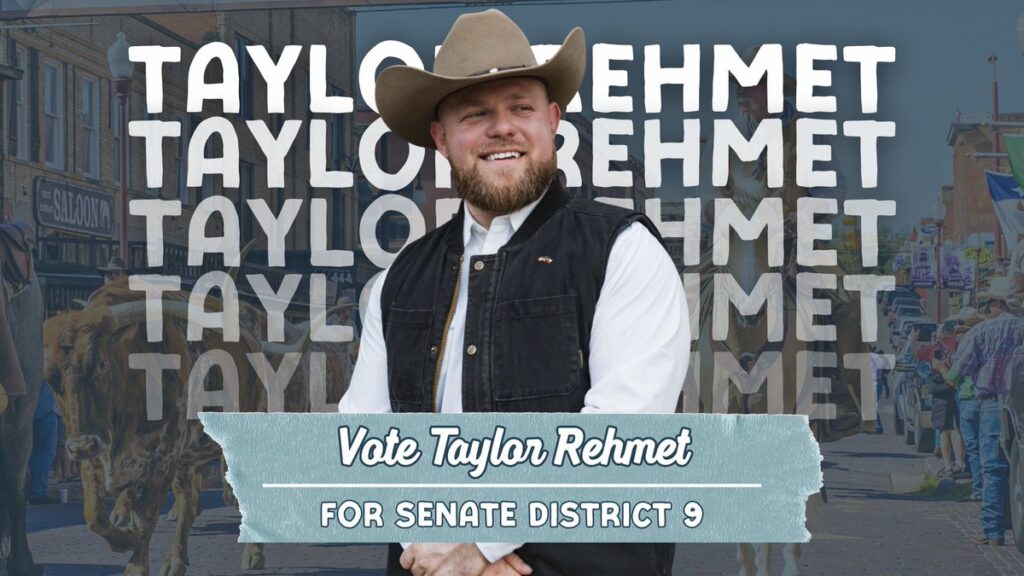
For decades, Republicans have treated the Texas State Senate map as settled territory—engineered districts, reliable turnout, and a political culture they assumed would always break their way. Then came Democrat Taylor Rehmet’s victory, and suddenly that sense of inevitability cracked.
This wasn’t just a single upset. It was a warning shot.
“When Democrats can win a State Senate race in Texas, the problem isn’t the candidate—it’s the GOP’s story.”
The GOP’s Texas Problem Is No Longer Quiet
Republicans will try to spin this loss as a fluke: a bad candidate, a weird cycle, an off-year anomaly. That reflex is exactly why Rehmet’s win should worry them.
The deeper truth is this: the Texas GOP is losing its grip on voters it once took for granted—suburban families, younger voters, independents, and working-class Texans who feel priced out, burned out, and unheard.
Culture-war politics don’t lower property taxes. Anti-woke theatrics don’t fix school funding. And “Biden bad” doesn’t explain why Texas still struggles with power grid failures, healthcare access, and affordability in booming metro areas.
“Texas voters didn’t move left overnight. They moved toward solutions.”
Democrats Didn’t Win by Playing Small
This is the part national Democrats should underline in red.
Rehmet didn’t win by hiding the party label or running a timid, consultant-approved campaign. The message was clear: government should work for people who actually live here, not just donors, corporations, or party insiders.
That approach matters—especially heading into 2026.
For too long, Democrats have treated red-state races as symbolic gestures rather than real opportunities. Rehmet’s win shows what happens when Democrats invest, organize early, and run candidates rooted in their communities instead of chasing mythical swing voters.
“You don’t flip tough seats by being quieter. You flip them by being braver.”
2026 Is Already Taking Shape
The implications go far beyond one district.
If Democrats take this result seriously, Texas could become a long-term battleground—not just for presidential races, but for state power where real policy gets decided. That means more competitive legislative maps, stronger resistance to voter suppression, and a path toward breaking the GOP’s chokehold on state government.
For Republicans, the math is grim. They can double down on base politics and hope turnout saves them—or they can admit what voters are already signaling: the old playbook is failing.
For Democrats, the opportunity is obvious—but only if they seize it.
Run candidates everywhere. Talk about cost of living, healthcare, schools, and dignity at work. Treat voters like adults. And stop conceding entire states before the first vote is cast.
“Taylor Rehmet’s win wasn’t a miracle. It was a preview.”
The Choice Ahead
Texas just reminded the country of something powerful: political landscapes don’t change because of demographics alone. They change because people decide they’ve had enough.
The GOP should see this election as trouble on the horizon.
Democrats should see it for what it is—a door opening.
The only question is whether they’re willing to walk through it in the 2026 midterm elections.