By San Francisco Radar
For San Franciscans who’ve spent years debating tariffs, tech layoffs, and the future of American manufacturing, this one hits a familiar note.
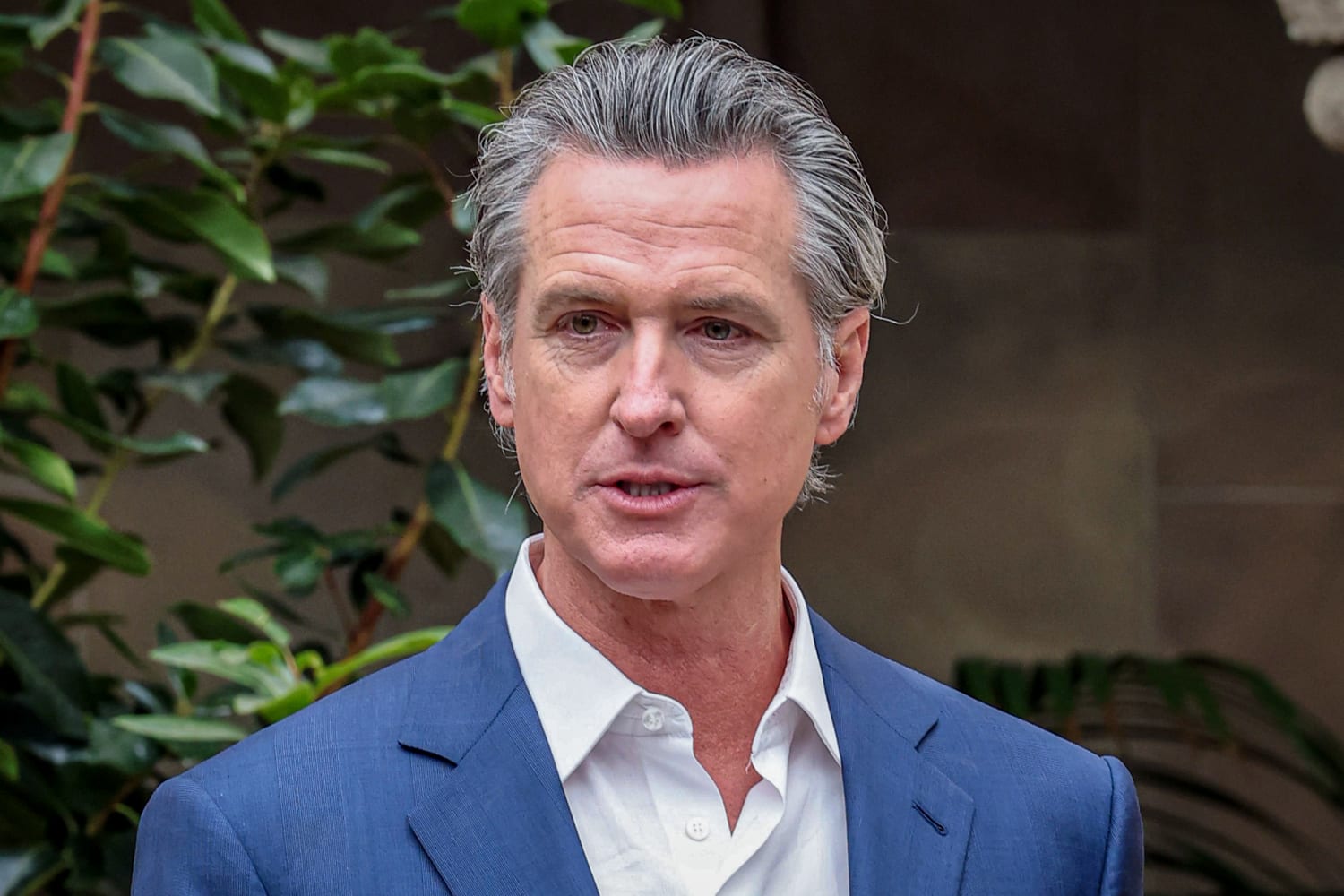
Hedge fund billionaire John Paulson – a major donor and longtime ally of Donald Trump, is reportedly closing a U.S. instrument factory and shifting production to China.
Yes, you read that correctly.
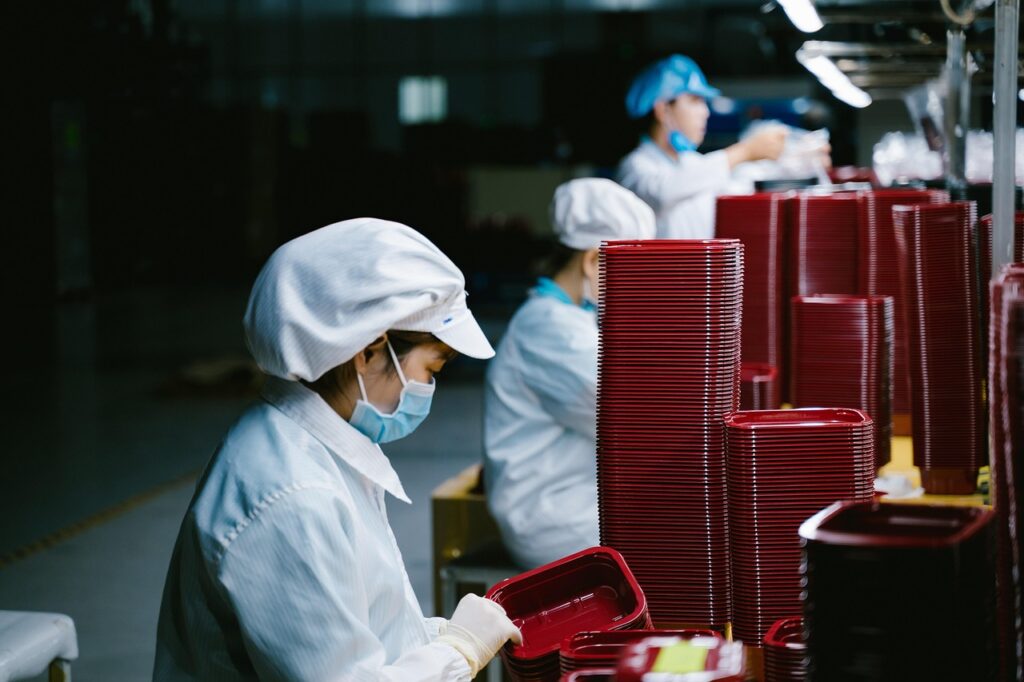
Paulson’s company, Conn-Selmer, the nation’s largest maker of orchestral and brass instruments, has notified workers that most operations at its East Lake, Ohio plant will move to Asia by July.
The decision is expected to trigger about 150 layoffs.
For the workers represented by United Auto Workers Local 2359, the news came just as they were expecting to negotiate a new union contract.
Instead, they got pink slips.
“It really pisses me off,” one worker said.
“We feel betrayed,” said another.
Why This Matters to San Francisco
At first glance, an Ohio brass factory might seem far from the Mission or the Richmond District.
But the story touches on something Bay Area residents know all too well: corporate leaders preaching one thing while practicing another.
San Francisco has weathered its own waves of layoffs – particularly in tech – with companies promising long-term investment in local jobs before quietly restructuring or shifting roles overseas.
Residents have heard the language before: “global efficiency,” “strategic realignment,” “cost optimization.”
Now, the same tension is playing out in manufacturing.
Paulson has publicly championed tariffs as a way to protect American jobs. Before the 2024 election, he argued that 10 to 20 percent tariffs would:
“Support domestic manufacturing, so you get more jobs, more investment in the US.”
He’s also said plainly:
“We can’t have American producers closing American factories and offshoring.”
Yet workers in Ohio say the company opened a plant in China in 2025 and gradually shifted work there — even after employees were told their jobs were safe.
Union president Robert Hines didn’t mince words:
“It’s a slap in our face.”
The Bigger Economic Picture
The promise of tariffs was simple: higher import costs would encourage companies to keep jobs in the U.S.
But the broader data tells a more complicated story. According to the Bureau of Labor Statistics, U.S. manufacturing has shed tens of thousands of jobs since last spring, including 8,000 in December alone.
Employment in the sector has fallen by more than 70,000 since April.
For San Francisco readers — especially those tracking how national policy shapes local economic stability — the disconnect is notable.
If tariffs are meant to protect American workers, what happens when the very investors who promote them move production overseas anyway?
A Familiar Bay Area Question
San Francisco’s political culture often centers on accountability for corporations, elected officials, and billionaires alike.
Whether the issue is housing, labor rights, or climate commitments, residents tend to ask the same question:
Who benefits — and who pays the price?
In Ohio, 150 workers now face layoffs.
In San Francisco, where conversations about economic fairness are front and center, the story lands as another example of what critics call “policy for the podium, profits in practice.”