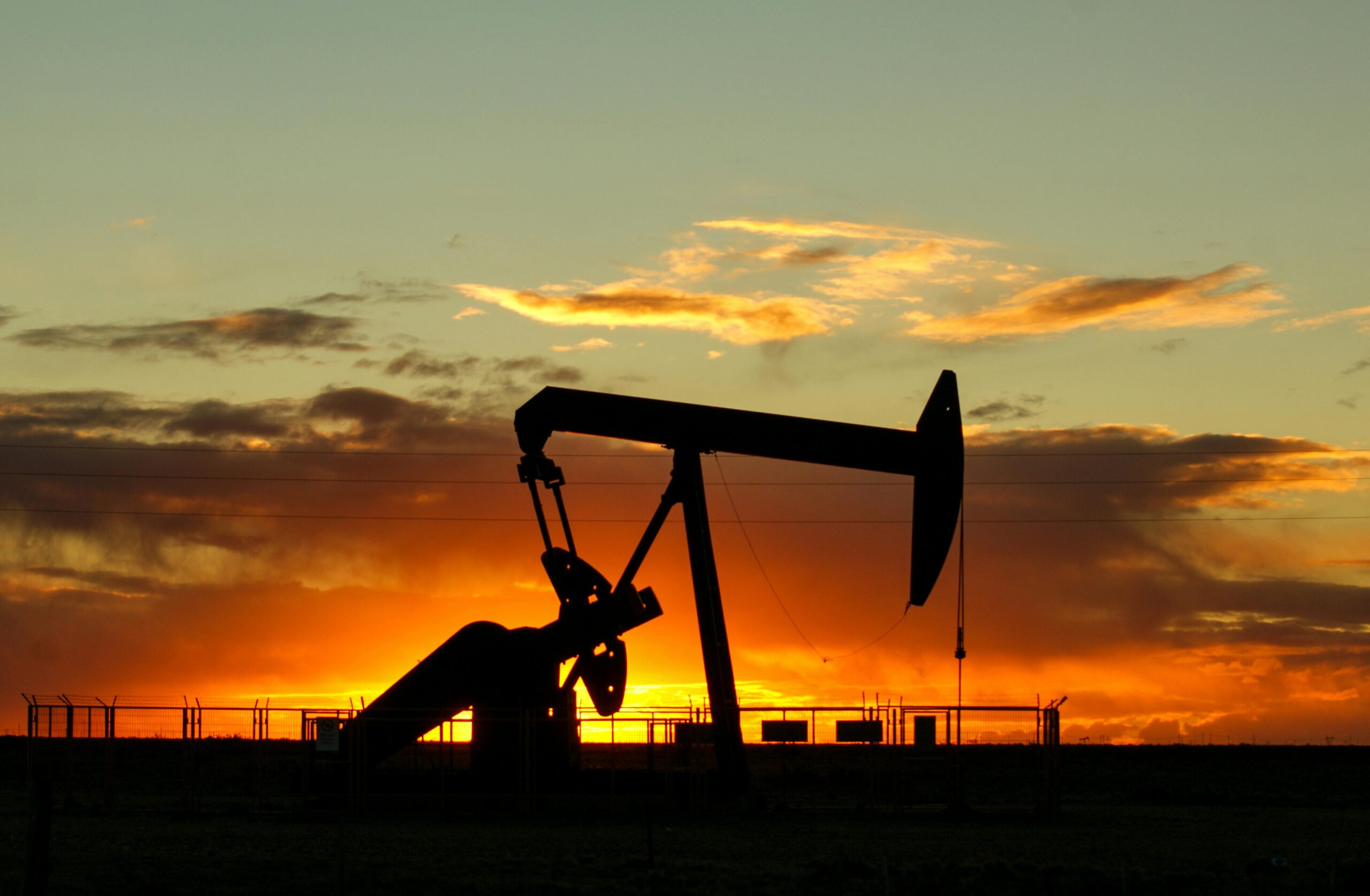
Global oil markets are on edge. Crude prices have made a historic jump as tensions surrounding the Strait of Hormuz continue to disrupt energy supply lines.
Despite emergency announcements from the Trump administration aimed at calming markets, traders remain skeptical. The underlying problem has not been solved: oil and gas tankers are still struggling to safely pass through one of the world’s most critical shipping corridors.
“Until tankers can move freely through the Strait of Hormuz, markets will remain extremely volatile.”
The Strait of Hormuz handles roughly one-fifth of the world’s oil supply, making it one of the most important choke points in global energy trade. When shipments slow or stop, the ripple effects are immediate — and severe.
Energy traders responded quickly, sending crude prices sharply higher in what analysts describe as one of the largest single-day price jumps in years.
Trump Administration’s Measures Fall Short
The White House rolled out a series of measures intended to stabilize markets. These included diplomatic outreach, security assurances to shipping companies, and discussions about naval escorts for commercial tankers.
But so far, none of those steps have solved the immediate issue.
Shipping companies remain hesitant to send vessels through the region due to rising security risks, high insurance costs, and fears of escalation.
“Policy announcements alone cannot reopen a shipping lane that companies believe is unsafe.”
Industry experts say that until tanker traffic resumes at normal levels, oil prices will continue to reflect the uncertainty.
Why the Strait of Hormuz Matters So Much
The Strait of Hormuz sits between Oman and Iran and serves as the primary gateway for oil exports from the Persian Gulf.
Major producers including Saudi Arabia, Iraq, Kuwait, and the United Arab Emirates rely heavily on the route to ship crude to global markets.
When disruptions occur, even briefly, the consequences can be dramatic:
- Global oil supplies tighten
- Shipping costs surge
- Energy markets spike
- Inflation fears rise worldwide
The latest disruption has triggered concerns that a prolonged slowdown could push oil prices even higher.
“This is the world’s most important oil artery. When it clogs, the entire global economy feels it.”
What It Means for Consumers
Rising crude prices rarely stay confined to energy markets. If the surge continues, consumers could soon see the impact in everyday costs.
Higher oil prices typically lead to:
- Increased gasoline prices
- Higher airline ticket costs
- Rising shipping and transportation expenses
- Inflation across consumer goods
Economists warn that prolonged instability could create broader economic pressure just as many countries are trying to keep inflation under control.
Markets Watching the Next Move
For now, investors and energy companies are closely watching developments in the region.
The key question is simple: When will tanker traffic return to normal?
Until that happens, oil markets are likely to remain volatile.
“The real solution isn’t another announcement. It’s tankers moving safely through the Strait again.”
And until that happens, the price of oil — and the cost of energy worldwide — may continue to climb.
Thanks for supporting us here at the San Francisco Radar. Consider becoming a member for only $90/year. Sign Up