Why Bad Bunny’s Super Bowl Halftime Show Is Causing So Much Controversy
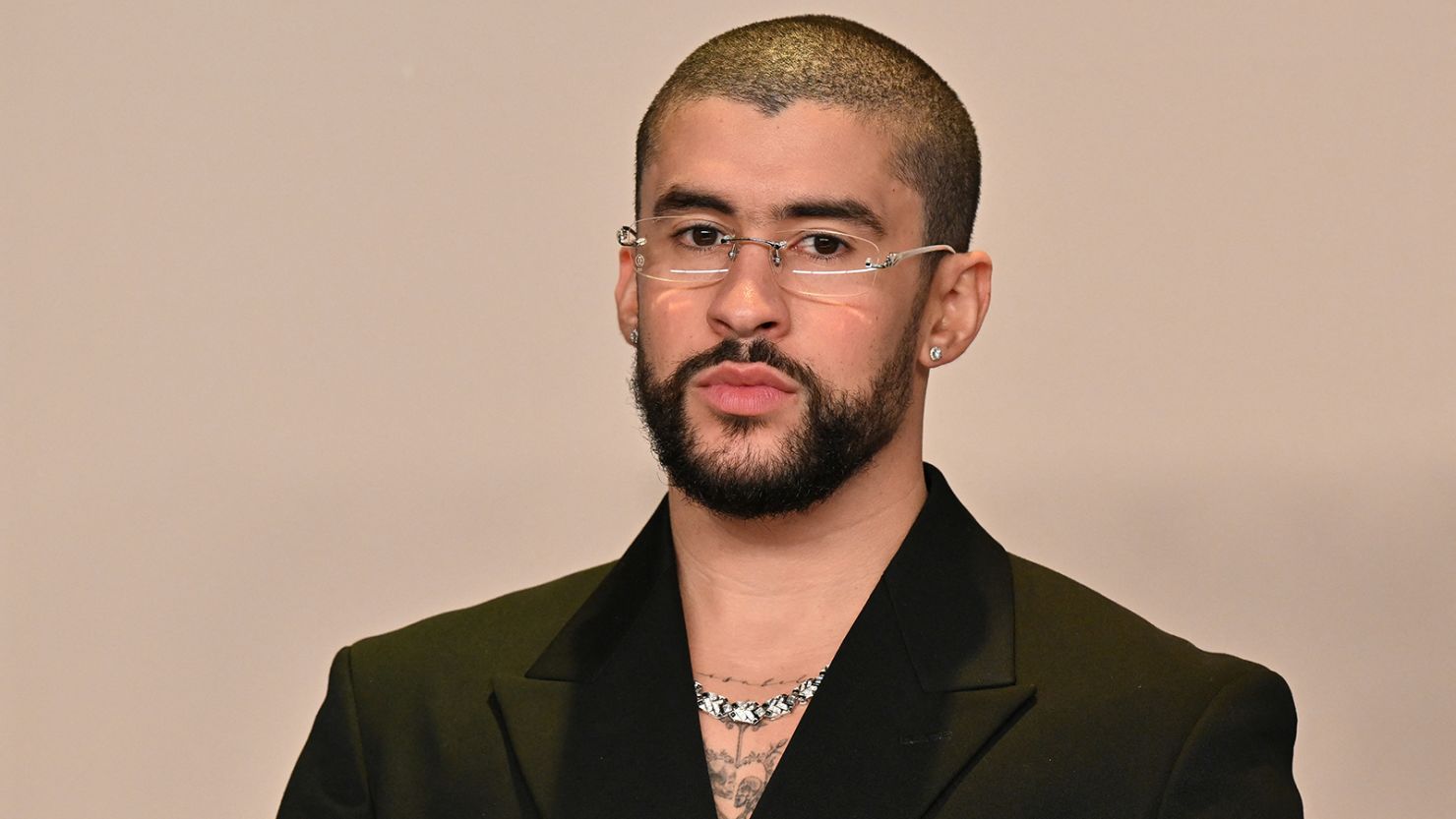
Bad Bunny, the Puerto Rican superstar known for his Spanish-language hits and cultural influence is headlining the Super Bowl LX halftime show on February 8, 2026.
The choice has sparked debate across the U.S., especially among certain political groups and commentators.
Language and identity debates
A key point of criticism is that Bad Bunny’s performance will be mainly in Spanish, something some critics say doesn’t reflect “traditional” American entertainment.
Opponents argue that since a large part of the audience speaks English, the halftime show should showcase performances in English or more traditional American music.
Political backlash
Bad Bunny’s past comments on U.S. politics and immigration have become part of the controversy. In particular:
- He has spoken out about immigration enforcement policies, including saying “ICE out” in a speech that emphasized compassion for immigrants.
- Some conservative figures, including former President Donald Trump, have publicly criticized his selection and announced they will skip the game.
This has escalated into political protests and alternate programming, such as Turning Point USA organizing its own “All-American Halftime Show” with different musical acts as a conservative alternative.
Petitions and public pushback
Hundreds of thousands of people have signed petitions calling for Bad Bunny to be replaced with country artists like George Strait, with critics claiming the Super Bowl performance should be more “family-friendly” and traditionally American rather than culturally diverse.
Cultural and social dimensions
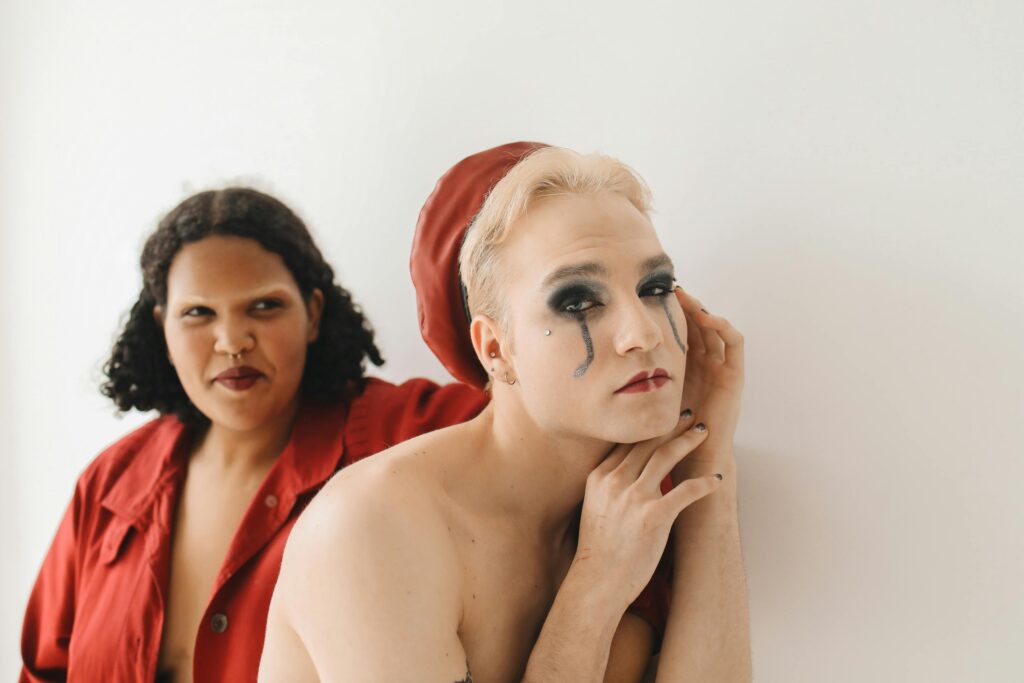
Beyond politics, other aspects like Bad Bunny’s bold fashion, cultural statements, and celebration of Latino and queer identities have drawn both support and pushback.
Some see these elements as empowering and representative of modern America, while others view them as inappropriate for such a mainstream event.
Voices on both sides
Supporters of Bad Bunny’s performance argue that he reflects the diversity of today’s American music scene and that the NFL is simply choosing one of the world’s most popular artists.
Meanwhile critics frame their objections in cultural and political terms.
NFL’s stance
NFL leadership has publicly defended booking Bad Bunny, calling the decision “carefully thought through” and part of the league’s effort to reach a broad, global audience.
In short: Bad Bunny’s halftime show has become more than just a performance — it’s now a flashpoint in broader debates about language, culture, identity, politics, and what the Super Bowl should represent. Some see his presence as a groundbreaking milestone in inclusion and diversity, while others view it as controversial because of language and political context.