From Mission to Sunset: Where Renters Are Moving Now
San Francisco renters are on the move. Rising costs in neighborhoods like the Mission are pushing residents west to the Outer Sunset and other affordable areas. Data shows renters are seeking more space, stability, and livable neighborhoods — reshaping the city’s rental landscape block by block.
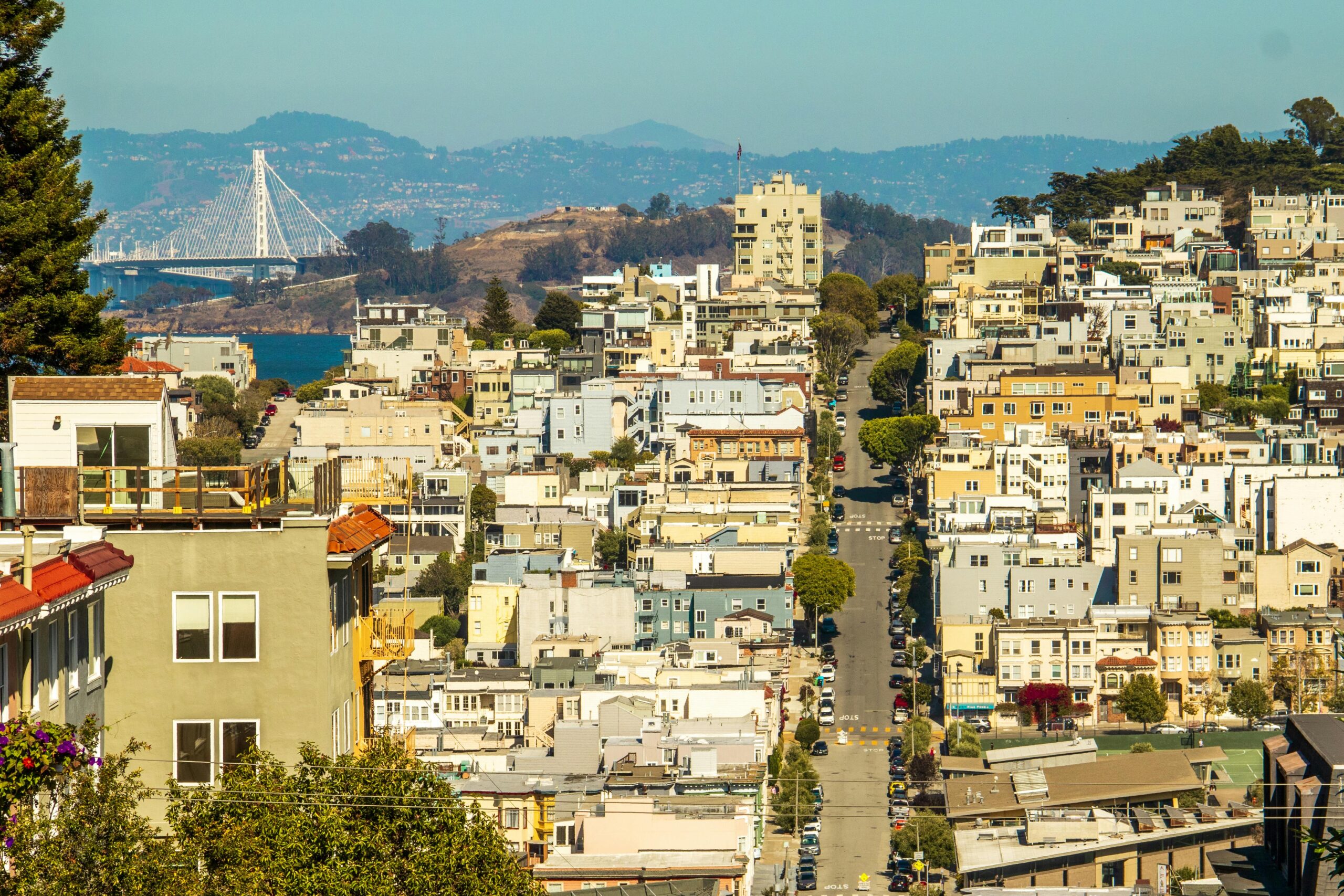
Renters in San Francisco move….a lot.
A recent regional housing report shows that a growing share of Bay Area renters are “hyper-mobile,” meaning they move every one to two years and San Francisco leads this trend in California.
This tells us one thing: renters are seldom static here. They chase affordability, space, safety, and community.
“Renters don’t just change addresses. They chase livability.”
The East Side — Once the Hot Spot
For years, the Mission District was a destination.
It was vibrant, cultural, and walkable.
It was close to jobs.
It was expensive — but worth it.
But rising rents and limited space drove many residents to reconsider.
That pattern is showing up in rent data: while some neighborhoods near downtown have declined slightly year-over-year in rent rates, farther neighborhoods have grown — even during tough market conditions.
“Mission’s grit is now pushing some renters westward.”
Southern and Western Neighborhoods Rising
In the Sunset and Outer Sunset, demand is growing.
These west-side neighborhoods still offer relatively more space and a residential feel.
Rents in the Outer Sunset have climbed — but remain lower than heart-of-city average prices. Zillow and Zumper data show Outer Sunset one-bedrooms around $2,500–$2,600 — a level that is tempting for renters priced out of Mission or SoMa.
“Westside rents are rising — but they feel livable.”
Meanwhile the Bayview, Bernal Heights, and Lakeshore — farther from downtown — have also seen noticeable rent increases, signaling real interest in areas that offer affordability but not total isolation.
A Growing Premium on Space

The trend is clear: renters want more space, even if it means a longer commute.
During the pandemic, many workers left dense neighborhoods for larger units elsewhere. That momentum hasn’t fully reversed — especially for renters juggling costs and comfort.
This matches broader Bay Area data showing that many renters do stay put longer than before, and those who move are looking for neighborhoods offering better value or stability.
Who’s Staying Put — And Where?
Not all renters are moving away from central areas.
In neighborhoods like Portola and Visitacion Valley, renters are staying — sometimes for nearly a decade.
In these communities, renters may find older buildings with rent control protections, strong community ties, and — crucially — costs that haven’t spiked as fast as in trendy districts. Staying can be a strategy for long-term stability.
“Some renters stay because they can’t move and because they don’t want to.”
Beyond Borders — The East Bay and Peninsula
San Francisco’s rent dynamics don’t exist in a bubble.
As city rents grow — with median one-bedroom prices pushing above $3,000 in late 2025 — more renters consider alternatives outside city limits.
Cities such as Berkeley, Oakland, and even spots on the Peninsula are now part of renters’ migration maps. These places once saw rents soften at times, making them attractive alternatives to an ever-tight SF market.
Renters who once bore the Mission or SoMa lifestyle are now weighing train rides, BART commutes, and longer bus trips — if it means more space for the same money.
What This Means for Renters
• Mission and inner neighborhoods are cultural anchors, but they are no longer the most affordable.
• Outlying neighborhoods like Outer Sunset and Bayview are surging because they balance price and quality of life.
• Long-term renters cluster in areas with stability and rent protections.
• Moves to neighboring cities are accelerating as affordability pressures mount.
“Where renters go in San Francisco is a signal — not just of cost, but of lifestyle priorities.”
Renters still chase convenience.
But more now chase space and stability.
That’s reshaping San Francisco’s rental map — block by block, price by price.