Skip the Lines, Keep the Luxury: SFO’s Planned Private Terminal Could Redefine Travel for San Francisco’s High Achievers
San Francisco International Airport is planning a private luxury terminal that would allow travelers to bypass crowded terminals, enjoy private TSA screening, and drive almost directly to their aircraft. For the Bay Area’s founders, executives, investors, and frequent international travelers, this could become one of the city’s most coveted premium services.
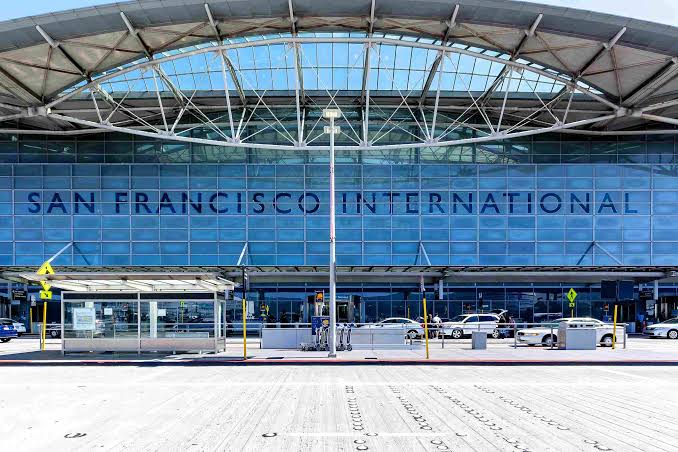
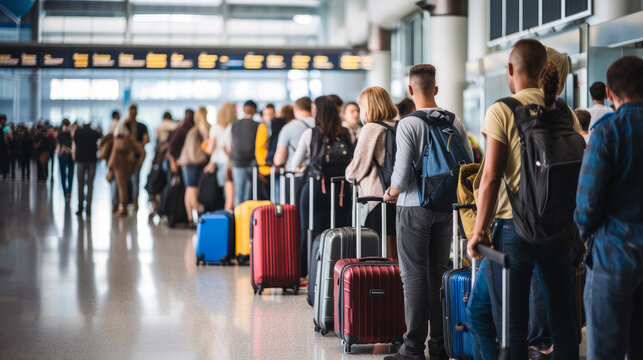
For many San Franciscans, the airport experience begins with a familiar ritual: arriving hours early, standing in TSA lines, searching for a seat in an overcrowded terminal, and hoping the lounge isn’t already full.
That may soon become optional.
San Francisco International Airport (SFO) is moving ahead with plans for a dedicated private terminal designed exclusively for commercial airline passengers willing to pay for a significantly more exclusive experience.
Rather than serving private jets, the facility would cater to travelers flying on regular commercial airlines, but with an entirely different airport journey. (The Guardian)
The proposed 75,000-square-foot terminal would feature:
- Private TSA security screening
- Dedicated Customs and Border Protection processing for international travelers
- Valet parking
- Luxury lounges
- Direct chauffeur service from the terminal to the aircraft
According to airport officials, passengers using the service may not encounter the general traveling public until they step onto the aircraft itself.
Why This Matters to San Francisco
San Francisco has become one of America’s wealthiest innovation hubs.
As AI startups mint new fortunes, venture capital continues to flow into the city, and executives increasingly split their time between Silicon Valley, New York, London, Singapore, and Dubai, convenience has become a valuable commodity.
Time is often the scarce resource and not money.
A founder flying to meetings in Europe, an investor making multiple domestic trips each month, or a collector heading to Art Basel may value saving an hour at the airport as much as a premium airline seat.
For many affluent residents, airport friction has become one of the few remaining inconveniences in otherwise highly optimized lives.
SFO’s proposal recognizes that reality.
Beyond the Airport Lounge
Premium lounges have become increasingly crowded over the past decade as credit cards and airline elite programs expanded access.
The new terminal represents an entirely different category of travel.
Instead of offering a nicer waiting room, the service effectively creates a separate airport experience from arrival to boarding.
Similar concepts already operate successfully at airports including London Heathrow, Paris Charles de Gaulle, Los Angeles, Miami, Dallas-Fort Worth and Atlanta, demonstrating growing global demand for ultra-premium commercial travel.
What Will It Cost?
Pricing has not yet been determined.
The company selected to build and operate the terminal will establish its own membership and per-trip fees.
Comparable services elsewhere in the United States currently cost more than $1,200 for a single visit, with annual memberships reaching several thousand dollars.
For many business travelers, those costs may be offset by productivity gains and reduced travel stress.
A Sign of San Francisco’s Next Economy
The proposed terminal reflects more than changing travel habits.
It signals where San Francisco’s economy is heading.
As AI companies, venture firms and technology leaders reshape the region’s wealth profile, demand is growing for services that emphasize privacy, efficiency and exclusivity.
Luxury hospitality, concierge medicine, private memberships and premium residential amenities have all expanded rapidly in recent years.
Airport travel now appears to be joining that list.
What Happens Next?
SFO plans to begin accepting development proposals later this year, with a contract expected to be awarded by December.
If construction proceeds as planned, the private terminal could open in late 2028.
SF Radar Take
This isn’t simply about luxury.
It’s about the economics of time.
For many of San Francisco’s entrepreneurs, investors and globally connected professionals, the airport has long been one of the last unavoidable bottlenecks in an otherwise frictionless lifestyle.
If SFO delivers on its vision, the city’s newest status symbol may not be a larger lounge or a first-class seat – it may be never setting foot inside the main terminal at all.