America Doesn’t Need Venezuela’s Oil—It Needs the Political Will to Go Clean
America Can and Should Move Beyond Oil—Not Militarism
The United States has once again looked southward in search of oil—only this time not through diplomacy or trade, but through military force.
On January 3, U.S. forces carried out a major strike in Caracas, capturing Venezuelan President Nicolás Maduro and flying him to New York to face narco-terrorism and drug-trafficking charges.
In the aftermath, the Trump administration made unmistakable statements about “running” Venezuela and controlling the nation’s huge oil reserves—at least temporarily—to benefit American interests.
This stunning intervention marks one of the most aggressive U.S. incursions into Latin America in decades, drawing international condemnation and questions about legality, sovereignty, and long-term strategy.
But beneath the headlines is a deeper question that should trouble every American: why, in the 21st century, is the United States still so fixated on fossil fuels that it resorts to military power to secure them?
The Oil Addiction America Claims to Be Ending
For years, Washington has debated whether to ease sanctions on Venezuela or even import its oil.
Today, with the Trump administration effectively taking control of Venezuela’s petroleum infrastructure and directing sales to the U.S., that debate is over.
Under plans announced by the White House, up to 50 million barrels of Venezuelan crude will be sold on terms dictated by Washington as part of broader efforts to “stabilize” the country and “benefit” its people.
The trigger for this intervention was portrayed as Maduro’s alleged criminality and his government’s record of repression.
Yet it is impossible to ignore that Venezuela holds the world’s largest proven oil reserves, and that Trump openly linked the operation to rebuilding and exploiting that industry.
This is exactly the kind of logic clean energy proponents have warned against for years: the idea that geopolitical security requires controlling foreign fossil fuels. It’s a relic of a bygone era.
Clean Energy Is Real Strategic Security
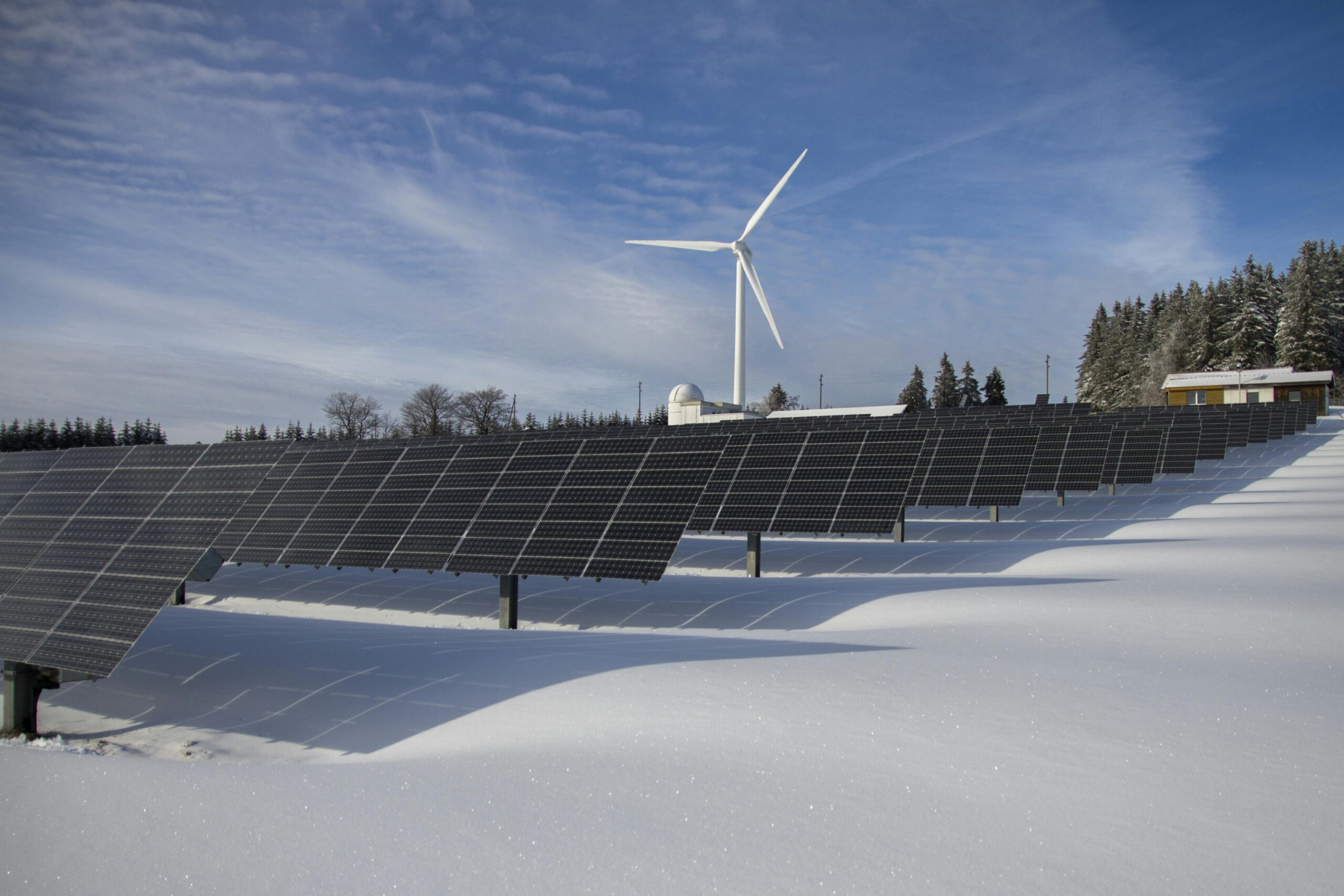
The United States already has the technological means to transform its energy system into one powered by renewables—solar, wind, geothermal, and storage technologies that reduce dependence on oil altogether. Renewables reduce price volatility, eliminate the strategic vulnerability of reliance on distant regimes, and slash greenhouse gas emissions that are heating the planet.
Unlike oil, there is no geopolitical risk in producing sunlight or wind at home.
No tankers need to cross the oceans. No proxy wars or military interventions follow disputes over supply.
Every watt of clean electricity is a step toward true energy independence.
It is telling that today’s intervention in Venezuela underscores the very insecurity that renewable energy promises to eliminate: dependence on foreign oil.
Rather than investing billions in military campaigns and reconstruction of fossil infrastructure, the U.S. could deploy similar resources to scale community solar, retrofit buildings, and build a resilient grid.
Trump’s Climate Stance Makes the Transition Harder
Upending the climate and energy policies of previous administrations, the Trump White House has systematically undermined environmental protections, questioned the science of climate change, and championed fossil fuel extraction as an economic panacea.
Now, by using force to seize control of Venezuela’s oil industry, the administration is signaling that fossil fuels remain core to its vision of American “strength” and “independence.”
This stance doesn’t just slow the growth of renewables—it actively anchors U.S. foreign policy to the politics of oil.
By tying national security to the extraction and control of petroleum, the administration discourages investments in clean energy and entrenches powerful fossil interests in both domestic and global politics.
The Cost of Delay
Every year that renewables are not prioritized is another year of carbon emissions, another year of climate disruption, another year of strategic vulnerability tied to distant oil fields.
Meanwhile, military operations like the one in Venezuela cost lives, inflame regional tensions, and divert public attention from sustainable solutions.
Critics, including legal scholars and regional leaders, have condemned the intervention as a blatant violation of international law and Venezuelan sovereignty.
Many argue that regime change masked as law enforcement opens the door to further conflict rather than stability.
But beyond legalities, there is a moral argument: do Americans really want their country intervening militarily to secure fossil fuels when the science says the future belongs to renewables?
A Different Vision for U.S. Leadership
America’s energy future does not lie in the oil fields of Caracas.
It lies in the sun-soaked deserts of the Southwest, the breezy plains of the Midwest, the turbines off the Atlantic coast, and the innovation labs across Silicon Valley.
If the U.S. genuinely seeks energy independence and economic resilience, it should double down on policies that accelerate the clean energy transition—not double down on war.
The world is changing. The only question is whether U.S. policy will change with it—or be left behind, clinging to a 20th-century mindset that has already cost too much.