This Tiny Daily Habit Could Save Thousands of Lives
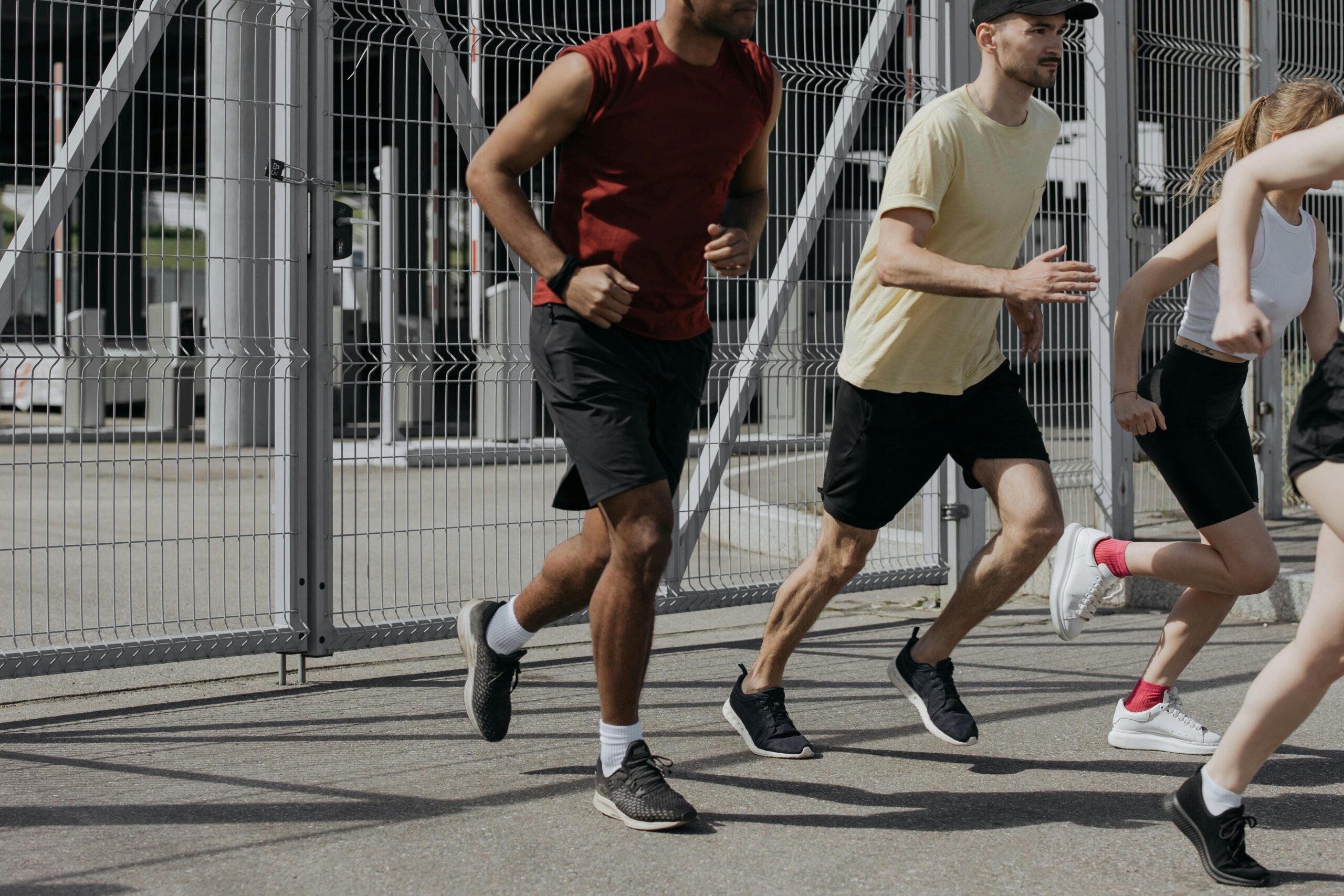
You don’t need to run a marathon, join a gym, or overhaul your life to make a difference to your health.
According to a new study published in The Lancet, even small, realistic changes in how much you move — or how much you sit — could prevent a meaningful number of deaths across the population.
Researchers lead by Prof Ulf Ekelund, PhD set out to answer a simple but important question: If people moved just a little bit more each day, would it actually matter? Their answer: yes.
What they looked at
Instead of relying on people’s memory or self-reported exercise habits, the researchers used data from fitness trackers and other wearable devices in seven large studies from Norway, Sweden, and the U.S. (plus a separate analysis of UK Biobank data).
Altogether, they examined activity levels for more than 135,000 people and tracked thousands of deaths over time.
They focused on two everyday behaviors:
- Moderate-to-vigorous activity (MVPA): things like brisk walking, biking, or climbing stairs — basically, movement that gets your heart rate up.
- Sedentary time: sitting or lying down while awake, such as working at a desk, watching TV, or scrolling on your phone.
Then they asked: what if people made small changes — just 5 or 10 extra minutes of movement, or 30 to 60 fewer minutes of sitting per day?
The surprisingly big impact of small changes
The results were striking.
- If the least active 20% of people added just 5 more minutes of brisk movement per day, up to 6% of all deaths in that group might be preventable.
- If most people (except the already very active) added those same 5 minutes, as many as 10% of all deaths could potentially be avoided.
That’s not because five minutes magically saves lives. It’s because even small increases in movement — spread across millions of people — add up to a big public health impact.
Sitting less also mattered, though slightly less dramatically.
- Cutting 30 minutes of sitting per day could prevent about 3% of deaths among the least active people.
- Across most of the population, that same reduction in sitting could prevent about 7% of deaths.
The UK data showed somewhat smaller numbers, but the pattern was the same: less sitting and more movement were both linked to lower risk of dying.
What this means in real life
“Five extra minutes of movement a day could save thousands of lives.”
The takeaway isn’t that everyone needs to become a fitness fanatic. Instead, the study suggests that tiny, doable changes can make a real difference, especially when many people make them.
Five extra minutes of movement could look like:
- Taking the stairs instead of the elevator
- Walking one extra block before catching the bus
- A quick stroll after dinner
- Parking a little farther from your destination
And reducing sitting by 30 minutes might simply mean:
- Breaking up a long work session with a short walk
- Standing during a phone call
- Doing a quick chore instead of watching another episode
Why this matters for public health
Health experts often emphasize exercise, but many people feel discouraged because they think they need to do a lot. This study suggests that’s not true — progress, not perfection, counts.
If cities, workplaces, and schools made it easier for people to move a little more and sit a little less — through walkable streets, better transit, or more flexible work setups — the collective health benefits could be huge.
Bottom line
“Big health gains can start with very small moves.”
You don’t need to change your whole life to improve your odds. According to this research, even small daily tweaks — five more minutes of movement, or half an hour less sitting — could save thousands of lives when added up across a community.
Sometimes, big health gains start with very small steps.
See full study: https://www.thelancet.com/journals/lancet/article/PIIS0140-6736(25)02219-6/abstract
Hey there! San Francisco Radar is all about you and your perspective on the issues that matter to you. Our polls are designed to capture your opinions without any bias or hidden motives. Jump in and make your voice heard!