The AI Wealth Effect Is Reshaping San Francisco Mansions
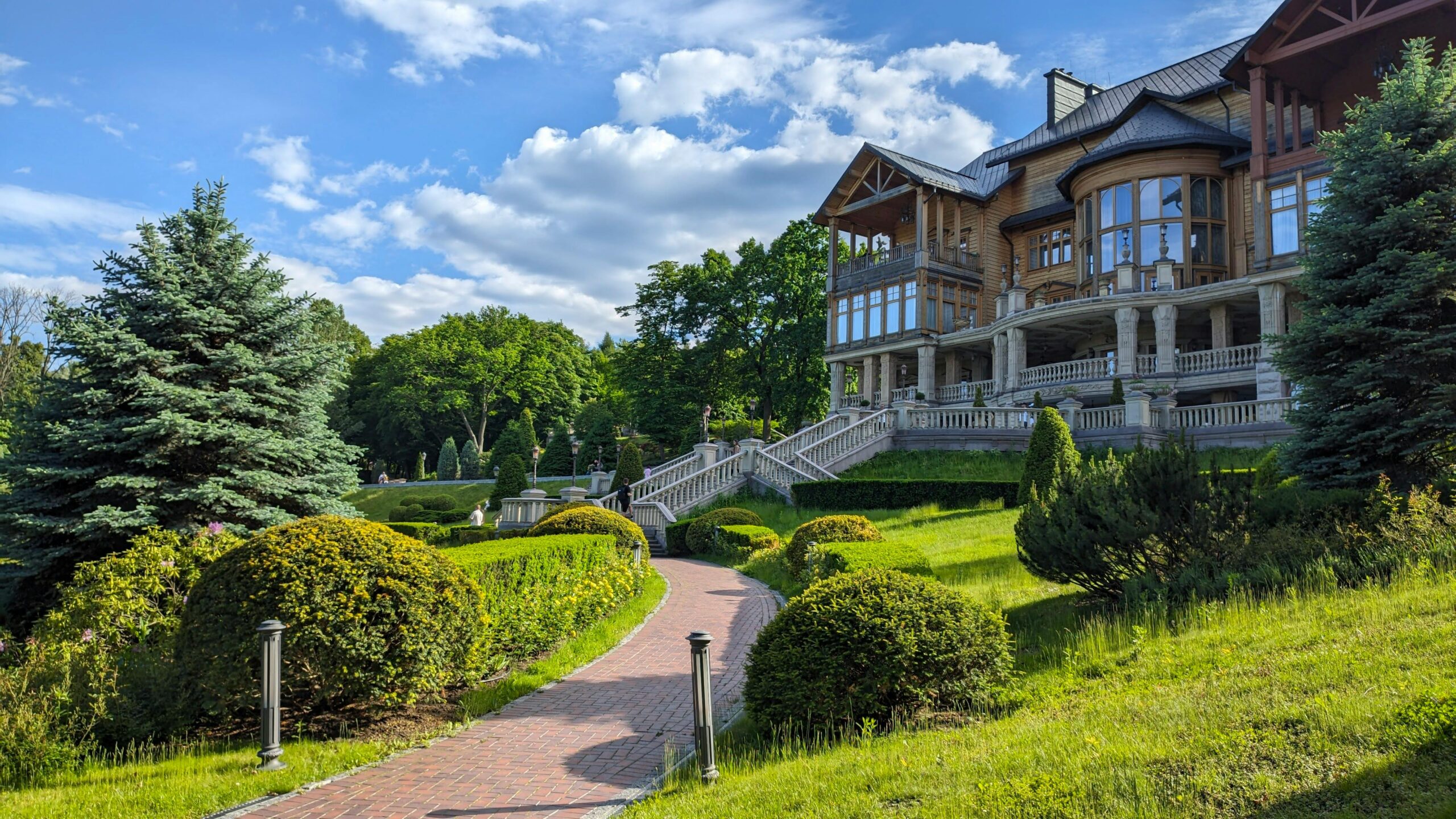
Something fundamental is happening in San Francisco’s luxury housing market, and it is not just another cycle.
It is a redistribution of attention, liquidity, and ambition driven by artificial intelligence.
Across Pacific Heights, Presidio Heights, Atherton, Woodside, and the broader Peninsula, real estate agents are describing a market that feels less like a correction or recovery, and more like a reconfiguration of what “wealth” actually looks like in physical form.
At the center of it is what many are now calling the AI wealth effect.
A surge of compensation, equity liquidity, and private-market gains concentrated among AI founders, early employees, and investors.
And it is showing up most clearly in one asset class: mansions.
A Market Being Pulled Upward From the Top
The most striking feature of this moment is not broad-based appreciation. It is more like divergence.
Luxury homes are rising sharply while mid-tier segments lag behind or soften, a pattern increasingly described by economists as a “K-shaped” housing market. (Fortune)
In plain terms: the top is lifting away from everything else.
One Bay Area real estate agent captured the mechanism behind this shift in a single line:
“The tech wealth effect is putting real liquidity into the hands of local buyers.” — Arrian Binnings, San Francisco real estate agent (Yahoo Finance)
That liquidity is not theoretical. It is coming from secondary stock sales, AI startup valuations, and compensation packages that look closer to private equity windfalls than traditional salaries.
And it is flowing directly into ultra-prime housing.
Mansions as Balance Sheet Strategy
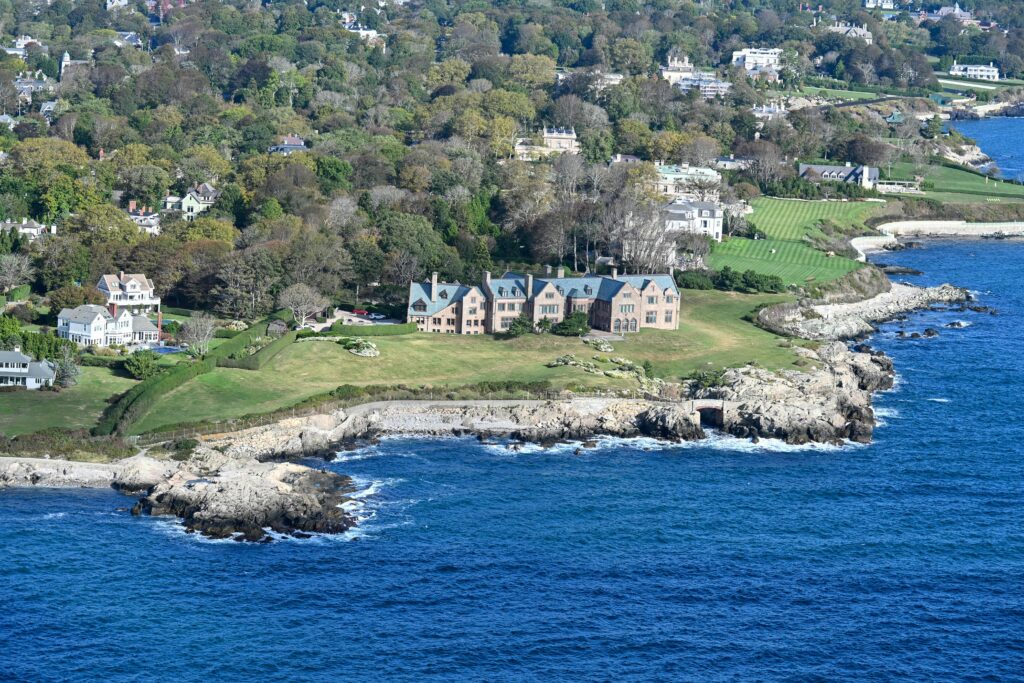
In previous tech cycles, luxury homes were often purchased as lifestyle upgrades — rewards for IPO success or symbolic markers of arrival.
This time feels different.
Agents across the Peninsula describe buyers who are more analytical, more liquid, and more decisive. Many are not waiting for public exits. They are converting private equity and stock liquidity directly into real estate positions.
A senior Silicon Valley broker quoted in industry reporting describes today’s AI buyers as unusually structured in their decision-making, often modeling outcomes before stepping into homes. This is a reflection of how deeply data-driven this cohort has become. (Danielle Lazier Real Estate)
The result is a buyer pool that behaves less emotionally and more strategically , treating mansions as both living environments and capital allocation decisions.
A Surge Concentrated in the Ultra-High End
While much of the Bay Area housing market has been uneven, luxury segments are outperforming significantly.
Recent analysis shows Bay Area luxury home prices have climbed sharply since the start of the AI boom, with high-end properties appreciating far faster than lower-tier housing. (markets.ft.com)
In some of the most exclusive enclaves — Atherton, Portola Valley, Woodside, agents report persistent demand pressure even in periods when broader markets cool.
One industry summary described it bluntly:
“Luxury demand has been so intense… agents are struggling to find enough mansions for their clients.” (San Francisco Chronicle)
That imbalance is shaping everything from pricing power to negotiation dynamics.
The New Buyer Profile: AI Capital, Not Old Money
What distinguishes this cycle is not just wealth — but its origin.
The new wave of buyers is disproportionately tied to AI companies and adjacent venture ecosystems. Compensation is heavily equity-weighted, meaning wealth is often unlocked in bursts rather than accumulated gradually.
This creates a different psychological relationship with real estate:
- Faster decision cycles
- Higher cash flexibility
- Lower sensitivity to mortgage rates
- Strong preference for privacy and off-market deals
As one agent observed in reporting on the broader AI real estate boom:
“It’s another sign of the K-shaped economy taking shape in the Bay Area.” (Fortune)
In that split economy, mansions are increasingly functioning as a hedge against volatility — not just a reward for success, but a stabilizer for newly created wealth.
From Lifestyle Assets to Private Infrastructure
Perhaps the most underappreciated shift is how mansions are being used.
For many AI founders and executives, these properties are no longer purely residential. They are becoming hybrid spaces:
- Private meeting environments
- Secondary work hubs
- Security-managed retreats
- Family offices in disguise
- Controlled social ecosystems
The mansion, in this context, is less about visibility and more about insulation.
It is where scale meets discretion.
And discretion, in today’s Bay Area wealth culture, is increasingly the defining luxury.
The Geography of the AI Boom
The effect is not evenly distributed.
San Francisco itself particularly neighborhoods like Pacific Heights, Russian Hill, and Sea Cliff , is seeing renewed luxury demand tied to AI firms returning talent to the city core. (Business Insider)
Meanwhile, Peninsula enclaves continue to act as wealth storage zones: larger lots, greater privacy, and stricter zoning make them ideal for capital that has already been realized.
This is not just a city story. It is a corridor story, from SoMa to Palo Alto to Woodside with wealth flowing outward into ever more private expressions of space.
What This Moment Actually Signals
The AI wealth effect is often discussed in terms of salaries, IPOs, or startup valuations.
But its most visible artifact may ultimately be architectural.
San Francisco mansions are becoming physical representations of a new economic class: one that is young, liquid, data-driven, and unusually fast-moving in converting digital wealth into physical permanence.
And unlike previous booms, this one is not primarily about speculation.
It is about storage.
Storage of capital. Storage of privacy. Storage of time.
Or as one agent put it more simply:
Luxury is no longer just a price point.
It is the structure you build around your life when everything else starts moving too fast.