Post-Purchase Artwork Guide: What Every San Francisco Collector Should Do After Buying Art
Buying a work of art is only the beginning of the collecting journey. From insurance and proper framing to climate control and shipping, the decisions made after a purchase can determine whether an artwork retains its beauty and value for decades. Here’s what every San Francisco collector should know.
Post-Purchase Artwork Guide: What Every San Francisco Collector Should Do After Buying Art
Collecting art is one of the most rewarding ways to invest in culture, creativity and personal expression.
Yet many first-time collectors focus almost entirely on choosing the right artwork while overlooking what comes next.
The hours, days and years following a purchase are just as important as the acquisition itself.
Proper handling protects not only the financial value of an artwork but also preserves the artist’s original vision.
Whether you’ve purchased an emerging painter from the Mission District or an internationally recognized artist featured through San Francisco Radar’s Collectors Circle, these are the essential steps every collector should take.
Insure Valuable Pieces Early
One of the most common mistakes collectors make is assuming homeowners or renters insurance fully covers artwork.
In many cases, standard policies provide only limited protection for fine art, especially against accidental damage, transportation losses or appreciation in value.
For significant acquisitions, collectors should:
- Obtain an independent appraisal when appropriate.
- Photograph every artwork from multiple angles.
- Keep invoices and certificates of authenticity.
- Review insurance limits annually as collections grow.
“Documentation is almost as valuable as the artwork itself when filing an insurance claim.”
Collectors with growing portfolios often find that a dedicated fine art insurance policy provides broader protection than standard household coverage.
Keep Every Document
Provenance – the documented history of an artwork – is increasingly important in today’s market.
Collectors should retain:
- Purchase receipts
- Certificates of authenticity
- Artist biographies
- Exhibition catalogues
- Gallery correspondence
- Shipping documentation
- Restoration records
These materials help establish authenticity and can significantly influence resale value in the future.
Don’t Underestimate Professional Framing
A beautiful painting deserves more than a decorative frame.
Professional conservation framing protects artwork from environmental damage while enhancing its presentation.
Collectors should look for:
- Museum-quality UV-protective glass
- Acid-free mounting materials
- Archival backing
- Frames appropriate for the artwork’s style
Poor framing can cause irreversible deterioration over time, particularly for works on paper, photography and limited-edition prints.
Understand San Francisco’s Climate
Although San Francisco enjoys relatively mild temperatures, collectors should still be mindful of changing environmental conditions.
Moisture, coastal humidity and direct afternoon sunlight can gradually damage artwork.
Avoid displaying artwork:
- Above fireplaces
- Opposite large south- or west-facing windows
- In bathrooms with high humidity
- Near heating vents
- In direct sunlight
Stable temperature and humidity are among the greatest allies of long-term preservation.
Handle Art Correctly
Moving artwork improperly causes more damage than many collectors realize.
Whenever relocating a piece:
- Handle frames rather than the canvas.
- Wear clean cotton or nitrile gloves when appropriate.
- Never lift artwork by the hanging wire.
- Protect corners during transportation.
- Keep works upright rather than lying flat.
Large or valuable works should be moved by professional art handlers whenever possible.
Shipping Matters
Collectors increasingly purchase artwork from artists around the world.
Proper shipping includes:
- Protective corner guards
- Acid-free wrapping materials
- Double-boxing for smaller works
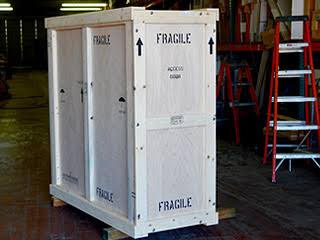
- Custom crates for high-value pieces
- Fully insured transport
- Tracking and signature confirmation
Before accepting delivery, inspect the package carefully and photograph any visible damage.
Display With Intention
Where artwork hangs dramatically changes how it is experienced.
Interior designers often recommend:
- Hanging the center of artwork approximately 57–60 inches from the floor, aligning with average eye level.
- Using dedicated picture-hanging hardware rather than standard wall hooks.
- Installing adjustable gallery lighting with low UV output.
- Leaving adequate spacing between multiple artworks to allow each piece room to breathe.
Thoughtful placement transforms individual works into a cohesive collection.
Rotate Your Collection
Collectors don’t need to display every acquisition simultaneously.
Rotating artwork offers several benefits:
- Reduces prolonged light exposure.
- Keeps interiors feeling fresh.
- Allows seasonal re-curation.
- Creates opportunities to appreciate overlooked pieces.
Stored artworks should remain in climate-controlled environments and never be placed directly on concrete floors or in damp garages.
Reassess Value Over Time
As artists gain recognition, the value of their work may change significantly.
Collectors should periodically:
- Update appraisals.
- Review insurance coverage.
- Track exhibition history.
- Monitor artist career milestones.
- Maintain organized collection records.
A well-documented collection often becomes more valuable than one with incomplete records.
Collect for Passion First
While some artworks appreciate financially, experienced collectors consistently emphasize buying what genuinely resonates.
Collections built around personal taste often become more meaningful over time than those assembled purely for investment.
San Francisco has long celebrated collectors who champion emerging artists early, helping shape both individual careers and the city’s vibrant creative ecosystem.
The best collections tell a story—not only about the artists who created the work, but also about the people who chose to live with it.
Collector’s Checklist
✔ Save receipts and certificates of authenticity.
✔ Consider specialist fine art insurance.
✔ Use museum-quality framing materials.
✔ Keep artwork away from direct sunlight and moisture.
✔ Photograph every acquisition.
✔ Use professional shipping and handling for valuable pieces.
✔ Maintain detailed provenance records.
✔ Review insurance and valuations regularly.
✔ Rotate displayed works when possible.
✔ Buy art that inspires you—not simply what trends suggest.