Bay Area Gas Prices Push Higher as Drivers Feel the Squeeze
Bay Area drivers are confronting another financial squeeze as California’s average gasoline price moves above $6 a gallon.
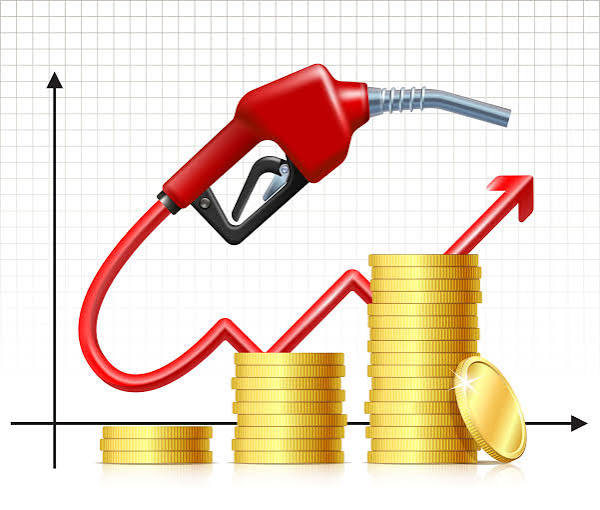
California’s average price for regular gasoline has climbed above $6 a gallon, with San Francisco among the most expensive markets in the Bay Area. For commuters, delivery workers and businesses that depend on driving, the increase is becoming another cost-of-living headache.
Bay Area drivers are facing another unwelcome number at the pump: $6-plus gasoline.
As of September 16, California’s average price for regular gasoline stood at about $6.04 a gallon, according to AAA. That’s up from about $5.88 a week earlier, $5.57 a month ago and $4.65 a year ago.
San Francisco has been particularly expensive. Recent reporting put the city’s average regular-gas price at around $6.16 a gallon, adding to the financial pressure on residents who depend on cars for work and daily life.
The Bay Area pump is getting harder to ignore
For someone filling a 15-gallon tank, $6.04 gasoline translates to roughly $91 for a full tank.
For drivers filling up every week, that can approach $365 a month before accounting for parking, insurance, maintenance and other costs of owning a vehicle.
And the difference compared with a year ago is substantial.
At last year’s California average of roughly $4.65, the same 15-gallon tank would have cost about $70.
That means today’s price represents roughly $21 more per tank.
For people commuting five days a week, driving to client meetings or making deliveries, those differences add up quickly.
Why are prices so high?
The latest increase is occurring against a backdrop of significant geopolitical disruption affecting global energy markets.
Recent reporting has linked the California increase to instability in the Middle East and disruptions to oil transportation. California also has structural factors that can make its gasoline market more expensive, including its relatively isolated fuel-supply system and environmental requirements.
California’s fuel market also has its own specifications and supply constraints, meaning price movements elsewhere in the United States do not necessarily translate directly to California pumps.
Diesel is an even bigger problem
Gasoline gets the attention, but diesel prices could have a broader effect on the economy.
AAA’s September 16 figures put California diesel at approximately $8.27 a gallon, a record high in the AAA data.
That matters because diesel powers a large share of the trucks, commercial vehicles and equipment moving goods around California.
When transportation becomes more expensive, businesses can face higher operating costs.
Those costs can eventually show up in the price of groceries, construction materials, clothing, restaurant supplies and other everyday purchases.
The result is that expensive fuel isn’t simply a problem for people standing at gas stations.
It can become an economy-wide cost.
Who feels it most?
The impact isn’t evenly distributed.
Daily commuters
Someone who drives from the suburbs into San Francisco every day can quickly feel the difference.
Higher fuel prices effectively increase the cost of going to work, particularly for employees whose jobs cannot easily be done remotely.
Ride-hail drivers
Drivers for Uber, Lyft and other services have a particularly direct exposure to fuel prices.
More money spent on gasoline means less money left from each trip unless fares or driving patterns compensate for the increase.
Small businesses
Contractors, home-service companies, delivery businesses and other small operators often have vehicles as part of their basic infrastructure.
For these businesses, fuel isn’t a discretionary expense.
Families
Families with multiple cars can face hundreds of additional dollars in annual fuel costs when prices remain elevated.
And households already dealing with high Bay Area housing, food, insurance and transportation costs have fewer places to absorb another increase.
Is relief coming?
There may eventually be some seasonal relief.
California’s transition to winter-blend gasoline can put downward pressure on prices, and industry conditions can change quickly.
But AAA’s current figures show how far prices have moved: California’s $6.04 average is already roughly $1.39 higher than a year ago.
That means even a modest decline would leave drivers paying considerably more than they were last year.
What Bay Area drivers can do
Drivers have limited control over the wholesale price of gasoline, but shopping around can make a difference.
AAA recommends using its fuel-price tools to identify cheaper stations. Basic fuel-efficiency measures keeping tires properly inflated, removing unnecessary weight and avoiding aggressive acceleration can also reduce consumption.
For Bay Area residents, station choice can matter.
Local options include Costco Gas Station in South San Francisco and independent and branded stations throughout the city, including ARCO on Fell Street.
Prices can vary substantially between stations, so checking before filling up can be worthwhile.