Ro Khanna Backs Connie Chan for Congress, Adding New Momentum to San Francisco’s Pelosi Succession Race
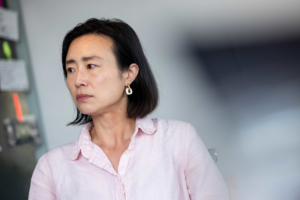
Rep. Ro Khanna is throwing his support behind San Francisco Supervisor Connie Chan in the race to succeed Nancy Pelosi, giving Chan an endorsement that could help her reach voters beyond the city’s traditional progressive coalition.
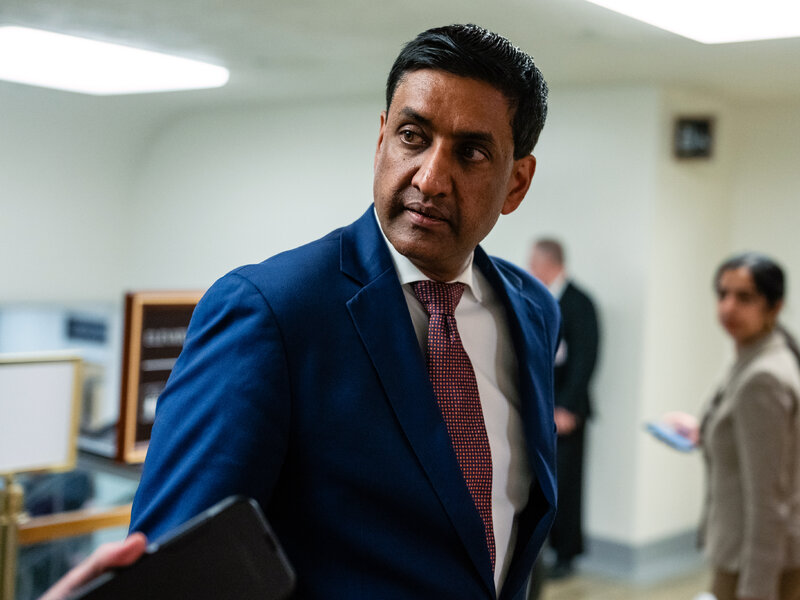
Rep. Ro Khanna is throwing his support behind San Francisco Supervisor Connie Chan in the race to succeed Nancy Pelosi, giving Chan an endorsement that could help her reach voters beyond the city’s traditional progressive coalition.
San Francisco’s closely watched congressional race is gaining another layer of national significance after Silicon Valley Rep. Ro Khanna endorsed Connie Chan, putting one of California’s most prominent progressive Democrats behind the San Francisco supervisor.
Khanna joined Chan at a young-voter town hall in San Francisco on August 17, where he made the case that the city’s next representative in Congress will occupy a uniquely influential position.
“You’re not just an ordinary freshman member of Congress,” Khanna told supporters. “You have a huge megaphone.”
The endorsement matters because Chan is already benefiting from strong support within San Francisco’s Democratic establishment. Former House Speaker Nancy Pelosi has endorsed Chan, as has Sen. Adam Schiff. Khanna brings something different: a national progressive profile rooted in Silicon Valley, technology policy and an increasingly independent political identity.
Why Khanna’s Endorsement Matters
Khanna represents Silicon Valley in Congress and has built a political profile that combines progressive economic policies with a more nuanced approach to technology and artificial intelligence.
That combination could be useful to Chan.
The San Francisco congressional contest is not simply a battle between competing versions of progressive politics. It is also a contest over who can define the city’s next political identity after Pelosi.
Chan’s campaign is trying to build a coalition that includes labor, younger voters, immigrant communities and progressives while also appealing to voters who may not identify with the traditional San Francisco Democratic establishment.
Khanna potentially gives her an avenue into another constituency: younger and progressive technology workers who are skeptical of establishment politics but remain interested in progressive economic policies.
Political consultant David Ho, who supports Chan, told Mission Local that Khanna’s approach to technology regulation and wealth taxation could help broaden Chan’s appeal among tech workers.
A Different Kind of Pelosi Succession
Pelosi’s endorsement of Chan has already established her as the candidate with a powerful connection to San Francisco’s Democratic establishment.
Khanna’s endorsement changes the picture.
It allows Chan to present herself not merely as Pelosi’s preferred successor, but as a candidate capable of assembling a broader progressive coalition.
That distinction could become increasingly important as the November election approaches.
The primary demonstrated that San Francisco voters have several competing visions for the Democratic Party. Chan emerged as a major contender alongside California state Sen. Scott Wiener and progressive challenger Saikat Chakrabarti.
Chakrabarti subsequently endorsed Chan, further strengthening her progressive credentials.
Khanna’s support adds another nationally recognizable name to that coalition.
The Tech Question
Perhaps the most interesting aspect of Khanna’s endorsement is the relationship between Chan and San Francisco’s technology economy.
Chan has generally taken a more skeptical position toward the technology industry than Khanna. That could make his support particularly valuable.
San Francisco’s future political coalition will inevitably have to include some relationship with the technology sector. AI, venture capital, housing, taxation and employment are now deeply intertwined with the city’s economic future.
Khanna has attempted to position himself as a progressive willing to challenge concentrated wealth while still defending technological innovation.
His recent public clashes with tech billionaire Mark Cuban over California’s proposed billionaire tax have reinforced that identity.
For Chan, the endorsement offers an opportunity to say that being skeptical of Big Tech does not necessarily mean being hostile to the technology economy.
The Race Is Still Wide Open
The stakes are unusually high because San Francisco’s congressional seat has historically carried an influence well beyond the district.
Pelosi transformed the seat into one of the most powerful political platforms in the country. Whoever succeeds her will inherit not only a congressional office but an electorate accustomed to having its representative play a national role.
Khanna explicitly emphasized that point during his appearance with Chan.
At the same time, Chan cannot assume that endorsements will determine the outcome.
The November electorate will be larger than the June primary electorate, potentially bringing in voters who did not participate in the earlier contest. Mission Local reported that Chakrabarti’s supporters could be particularly important as Chan and Wiener attempt to consolidate progressive voters.
That makes coalition-building critical.
SF Radar Take
Ro Khanna’s endorsement is more strategically interesting than simply another name added to Connie Chan’s endorsement list.
It gives Chan a bridge between two San Francisco political worlds: the labor-and-progressive coalition that has powered much of her campaign and the technology-oriented electorate that increasingly shapes the city’s economy.
Pelosi represents San Francisco’s political past.
Khanna represents a possible version of its future.
Chan now has the opportunity to argue that she can connect the two.
For San Francisco voters, that may ultimately be the more important question: Can the city’s next member of Congress preserve the political influence Pelosi built while developing a new coalition suited to a city being reshaped by AI, technology, housing pressures and a changing electorate?
Khanna’s endorsement suggests that Chan believes the answer is yes.