Why Fewer Canadians Are Coming to San Francisco -And Why It Matters
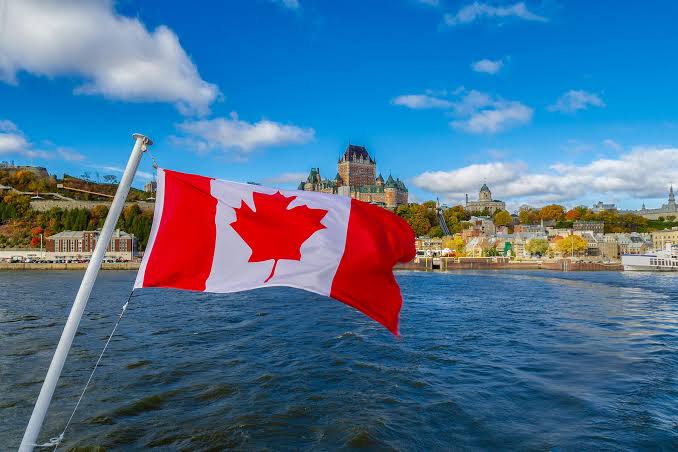
Canada has long been one of San Francisco’s closest international connections.
But as Canadians increasingly rethink travel to the United States, the consequences are being felt far beyond the airport, including by a Canadian community that has become an important part of the city’s cultural and professional fabric.
San Francisco has never needed a passport to feel connected to Canada.
For decades, Canadians have arrived in the Bay Area as tourists, technology workers, entrepreneurs, students, investors, artists and families.
They have built careers here, bought homes, opened businesses, joined cultural institutions and maintained a distinctly Canadian social network across the city.
Now, that relationship is being tested by something that initially looks like an airline story.
It isn’t.
The decision by Canadian airlines to reduce U.S. capacity is becoming a visible expression of a much broader shift in how Canadians view travel south of the border.
In February, WestJet announced cuts to two planned summer routes connecting Canada with San Francisco International Airport, as Canadian airlines responded to weaker demand for U.S. travel amid political tensions between the two countries. The San Francisco Business Times reported that Canadian carriers were cutting roughly 20% of their U.S. capacity.
The numbers have since made the trend harder to dismiss.
Statistics Canada reported that Canadian residents returned from 22% fewer trips to the United States in January 2026 compared with the same month a year earlier. A later analysis found that Canadian visits to U.S. cities had fallen by approximately 42% year over year, suggesting that the decline in city travel may be substantially larger than border-crossing figures alone indicate.
And this isn’t simply a story about people cancelling vacations.
“For San Francisco, fewer Canadian visitors means fewer connections between two cities that have traditionally shared far more than a border.”
San Francisco Has a Canadian Connection
The Canadian presence in San Francisco is easy to underestimate because it isn’t concentrated in one neighborhood.
Canadians are woven into the city’s technology, finance, design, education, hospitality and creative communities.
Many arrived for work and stayed. Others move between the Bay Area and Canada regularly, maintaining professional and family relationships on both sides of the border.
That makes travel particularly important.
A Canadian living in San Francisco may have parents in Toronto, siblings in Vancouver or friends in Montreal. A Canadian entrepreneur may have investors or customers back home.
A Bay Area company may recruit from Canadian universities. An artist may exhibit in both countries.
For these people, the Canada–San Francisco connection isn’t tourism.
It is infrastructure.
When flights disappear or become more expensive, those relationships become slightly harder to maintain.
And small frictions matter.
A direct flight that disappears can turn a weekend visit into a complicated itinerary.
A family gathering that once required little planning suddenly involves connections, higher fares and additional time. Business meetings that could have happened over two days may increasingly happen over Zoom.
Over time, fewer physical encounters can mean fewer relationships.
The Political Dimension Is Difficult to Ignore
The Canadian pullback has been unfolding against a backdrop of deteriorating U.S.-Canada political relations.
Trump administration trade policies, tariffs and repeated rhetoric about Canada have contributed to a significant change in Canadian attitudes toward travel to the United States.
A Canadian government report released this year found that Canadian travel to the U.S. declined 25% in 2025, with Canadians spending approximately C$3.3 billion less on U.S. travel.
That matters enormously to American destinations.
Canada has historically been one of the largest sources of international visitors to the United States. San Francisco, with its international reputation, technology economy and direct air links to major Canadian cities, has benefited from that relationship for generations.
But travelers make choices based on more than attractions.
They also consider how welcome they feel.
For some Canadians, choosing Montreal, Vancouver, Mexico, Europe or an Asian destination instead of the United States is increasingly becoming both an economic and political decision.
San Francisco can therefore find itself paying a price for a national political relationship it does not control.
The Canadian Community Feels It Differently
For Canadian residents of San Francisco, the impact is more personal.
A vibrant immigrant community depends partly on continued movement between its place of origin and its adopted city.
Restaurants, cultural events, professional associations, university networks and social organizations all benefit when Canadians can easily move between Canada and the Bay Area.
A Canadian entrepreneur visiting San Francisco might meet another Canadian founder.
A family visiting from Vancouver might spend money at local restaurants and museums.
A Canadian artist might attend an opening, meet a collector and establish a relationship that lasts for years.
A former Toronto resident might bring friends and relatives to visit the city, turning one traveler into several.
None of those transactions necessarily appears in a tourism report.
But collectively they form part of the invisible economic and cultural infrastructure of San Francisco.
The Airport Is an Early Warning Signal
The airline reductions are particularly significant because airlines respond to demand.
When carriers remove routes, they are effectively saying that enough passengers are no longer willing to make the journey at existing prices and frequencies.
That can become self-reinforcing.
Fewer flights mean fewer convenient options. Fewer options can mean higher prices or longer connections. Higher costs discourage more travelers, giving airlines another reason to reduce capacity.
San Francisco has experienced versions of this cycle before.
The city therefore has reason to watch Canadian travel carefully.
The latest developments also show that airline networks remain fluid. Air Canada and WestJet have continued adjusting international schedules, including additional route reductions later in 2026.
What San Francisco Risks Losing
The immediate concern is tourism revenue.
Hotels, restaurants, retailers, attractions, airlines, rideshare companies and cultural institutions all benefit from international visitors.
But the longer-term issue is softer and potentially more important: San Francisco’s position as a city people want to connect with.
The city has spent decades building an international identity around openness, innovation and cultural exchange.
Canadian visitors fit naturally into that identity.
They are close enough to arrive easily, familiar enough to feel comfortable and different enough to bring new ideas, spending and connections.
If fewer Canadians come, San Francisco doesn’t simply lose hotel nights.
It loses some of the spontaneous encounters that make international cities economically and culturally interesting.
A Relationship Worth Protecting
There is also an important distinction between Canadians choosing not to visit the United States and Canadians abandoning San Francisco.
Those are not necessarily the same thing.
San Francisco has assets that remain exceptionally attractive to Canadians: its technology ecosystem, food culture, architecture, arts scene, universities, natural beauty and concentration of Canadian professionals.
The question is whether those advantages are strong enough to overcome a broader reluctance toward U.S. travel.
For the city’s Canadian community, the answer may ultimately depend on whether the political climate changes.
Until then, Canadians have plenty of alternatives.
And that is precisely why San Francisco should pay attention.
“The Canadian traveler is not merely a tourist. For San Francisco, they are part of a cross-border community, and communities weaken when the connections between them become harder to maintain.”
The decline in Canadian travel is therefore more than a statistic about airport traffic.
It is a warning about connectivity.
San Francisco has always benefited from being a city where people from elsewhere want to come, stay, invest, create and belong. The Canadian relationship has been one of the quieter success stories within that international network.
If Canadians increasingly decide that America is not where they want to spend their travel dollars, San Francisco may discover that even its closest international relationships cannot be taken for granted.
SF Radar Take: San Francisco should view the Canadian travel decline as both an economic warning and a community story.
The city cannot control Washington’s relationship with Ottawa, but it can make sure Canadians who do come feel welcomed, and continue building the cultural, business and social connections that make the Bay Area particularly attractive to them.