Scientists Discover Plastic Permanently Fused With Coral
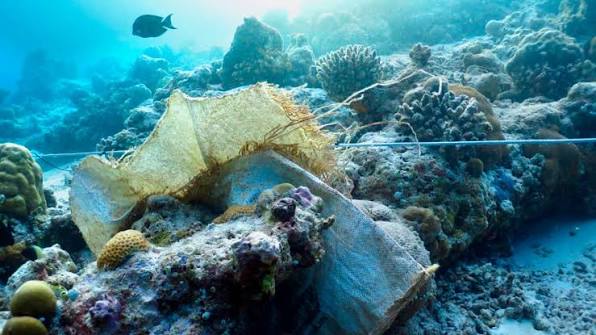
Scientists have identified a new form of marine pollution in which melted plastic becomes permanently fused with pieces of coral skeleton.
Researchers studying beaches in Japan’s Ryukyu Islands discovered brightly colored plastic embedded in coral rubble. Laboratory analysis showed that polymers from common household plastics had penetrated the tiny pores of coral fragments. Micro-CT scans revealed that the plastic and coral had become so integrated that they could no longer be separated.
The researchers have dubbed the material “plasticoral.”
The discovery is significant because coral rubble is not simply dead debris.
When washed back into the ocean, fragments can provide surfaces where new corals settle and create hiding places for small marine organisms.
Scientists do not yet know what long-term effects plasticoral could have on reef ecosystems.
Previous research has found that chemicals associated with some plastics can interfere with coral reproduction, while plastic fragments can also transport pathogens to corals.
Plastic pollution is no longer just something sitting beside nature. In these samples, it has become part of the material itself.
How Did the Plastic Melt?
The researchers believe beach fires or bonfires may be responsible. Ocean temperatures are not currently high enough to melt many common plastics, while the samples were found in locations associated with fires.
Earlier research in Indonesia has also documented melted plastic mixed with coral fragments, including material formed around uncontrolled beach waste burning.
The Japanese discovery adds another unsettling dimension to the global plastic problem: plastic isn’t merely washing onto beaches or floating through oceans.
Under the right conditions, it can become physically incorporated into natural materials.
Researchers say more work is needed to determine how widespread plasticoral is and what it means for coral reef ecosystems.